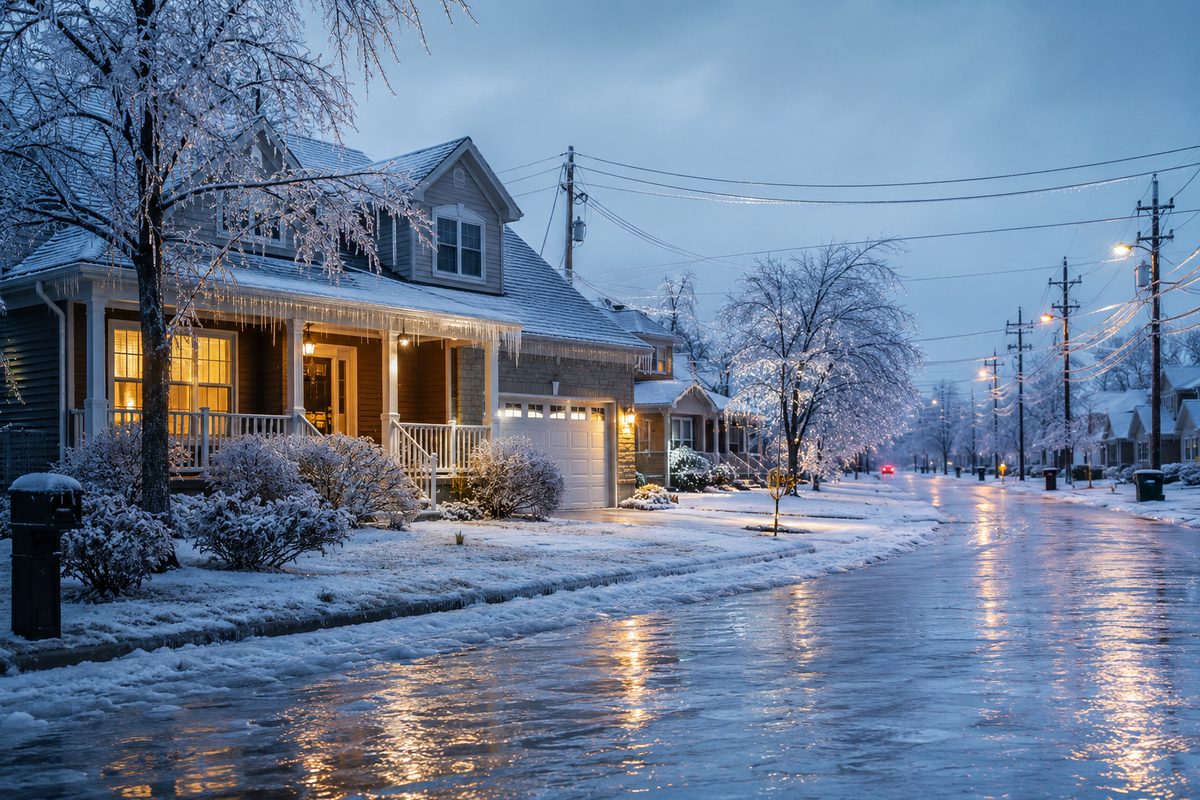
Winter is the season most likely to test a household: ice on the lines, a furnace that quits when the grid does, pipes that freeze while you wait for power to come back. You don’t need much to ride it out calmly — you need a few reliable things, set up before the first storm. This is our running list of what actually earns its place, refreshed each season.
The order matters: heat, light, warmth, water. Get those four right and a winter outage becomes an inconvenience instead of an emergency.
Heat — one warm room
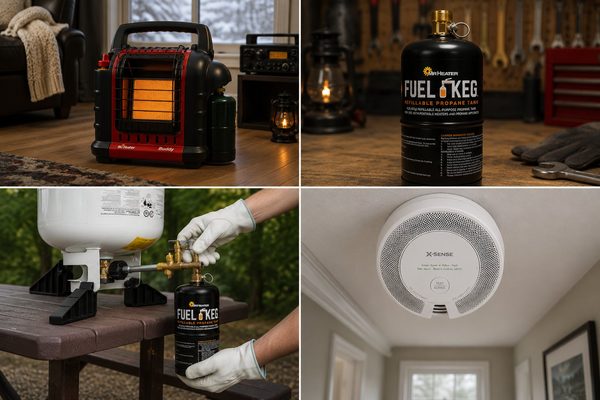
The goal isn’t to heat the whole house; it’s to keep one room livable. An indoor-rated radiant propane heater like the Mr. Heater Portable Buddy does that on a single 1 lb canister — no power, no generator running outside. It’s the highest-impact item on this list.
It also comes with the most important rule here: never run any fuel-burning heater without ventilation and a working carbon-monoxide alarm. We wrote the full safe setup — refillable propane, the Portable-vs-Big-Buddy tradeoff, and interconnected CO alarms — in Staying Warm in a Winter Outage. Read that before you light anything indoors.
Light — hands-free
When the sun sets at 5 p.m. and the power’s out, light changes the whole mood of a house. A headlamp per person beats a phone flashlight every time — it leaves your hands free to cook, check a pipe, or carry a kid to bed. Cheap enough to buy one for everyone.
Warmth — layers and blankets
If the heater is for the room, blankets are for the people. Mylar emergency blankets are tiny, cheap, and reflect body heat; stash a few in every bedroom and the car. Paired with real wool layers and a hat worn indoors, even a cold house becomes genuinely tolerable.
Water — fill before the storm
Winter is hard on water: mains break, well pumps lose power, and “boil water” notices follow. The trick is capacity you deploy before it hits. A WaterBOB turns your bathtub into about 100 gallons of clean, covered drinking water in a few minutes — fill it when the forecast turns, drain it when the storm passes. It’s the cheapest big-water option there is, and it stores flat in a drawer the rest of the year.
What I’d actually buy
Heads up: the gear links below are affiliate links. If you buy through them we may earn a small commission, at no extra cost to you. We only suggest gear we'd actually use. Full disclosure.
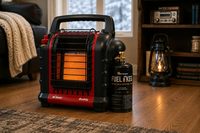 Indoor-rated propane heater An indoor-rated radiant heater (low-oxygen sensor, tip-over shutoff) for emergency warmth — only with ventilation and a working CO alarm. See current price
  Headlamp One per person is one of the highest-payoff upgrades for storms and nighttime disruptions. See current price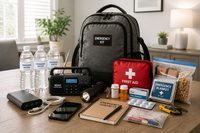
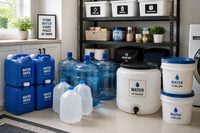 Bathtub water storage (WaterBOB) Fill it when the forecast turns and you have about 100 gallons of clean, covered drinking water; stores flat the rest of the year. See current price
 See all winter readiness picks →
The boring version wins
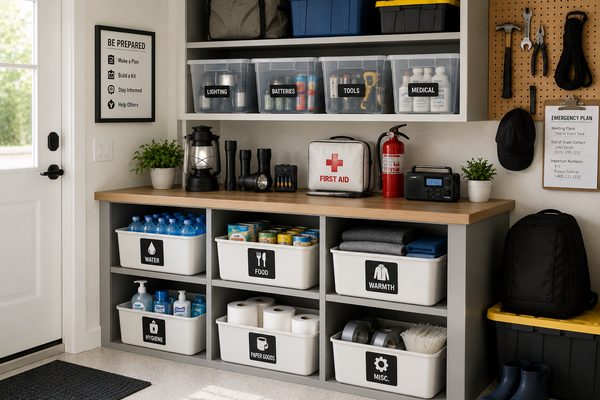
None of this is exotic, and that’s the point — a heater, a few headlamps, some blankets, and water you filled ahead of time will carry most families through most winter outages. Starting from scratch? Build out from the 72-hour kit and a family communication plan, then add the winter layer above.
Stay warm, and stay calm. We’ll refresh this list again next season.