A first-aid kit is one of those things almost every household sort of has — a half-empty box of bandages in a bathroom drawer — and almost no household has thought through. The goal here isn’t a field hospital. It’s a kit that handles the small stuff every family runs into, helps you stabilize the bigger stuff until professional help arrives, and is actually where you can find it.
Build it for your family — your prescriptions, your kids’ ages, your allergies. And remember the kit is only half of it: the skills to use it matter more than anything in the box.
Start with a good base, then make it yours
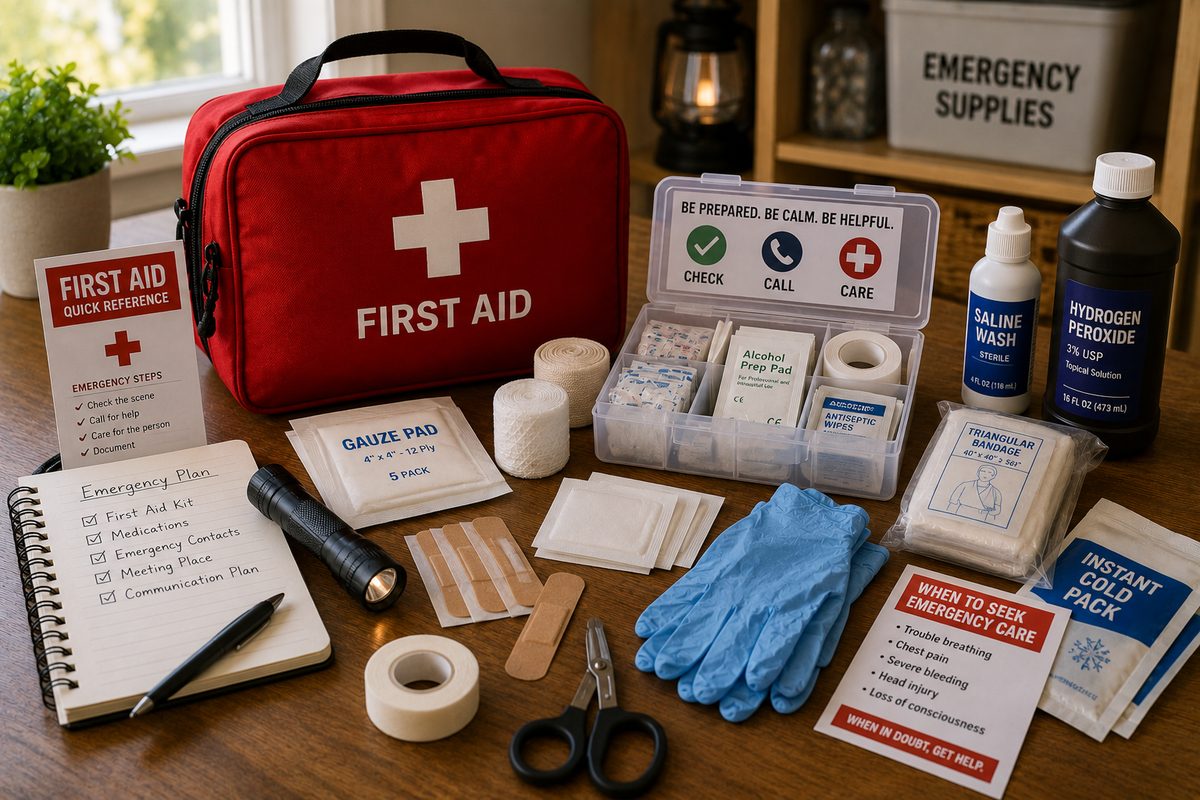
A solid pre-made kit is the easiest starting point — it covers the basics in an organized case so you’re not assembling one item at a time. Then personalize it. A good home kit generally covers these categories:
- Wound care — assorted adhesive bandages, gauze pads and rolls, medical tape, antiseptic wipes, antibiotic ointment, and a pair or two of nitrile gloves.
- Tools — tweezers, trauma shears or scissors, a digital thermometer, an instant cold pack, and an elastic wrap for sprains.
- Over-the-counter basics — the everyday medicines your family already uses, kept within their expiration dates. Follow the dosing on the label, and check with a pharmacist or doctor about what’s appropriate for kids.
- Prescriptions — a small buffer of any daily medication someone depends on, plus rescue items like an inhaler or epinephrine auto-injector if they’re prescribed. This is the part a store-bought kit can never include for you.
- Information — a card listing each person’s allergies, medications, doctors, and emergency contacts, and a simple first-aid reference guide.
The skills matter more than the kit
Gear without training is just a box of supplies. If you do one thing on the medical layer of the pyramid, take a hands-on CPR and basic first-aid class — the Red Cross, your local fire department, and many hospitals offer them, and a few hours could be the highest-leverage time you spend on preparedness all year. Knowing how to stop bleeding, help someone who’s choking, or do CPR turns panic into action.
A home kit is for minor injuries and for buying time. It is not a substitute for professional care. In a real emergency, call 911 (or your local emergency number) first.
Two kits, two places
Mirror the approach from the 72-hour kit: keep a fuller kit at home where you can find it in the dark, and a small, slimmed-down version in the car or a go-bag. The car kit catches you where a surprising number of injuries actually happen — far from the bathroom drawer.
Keep it current
A first-aid kit quietly expires. Ointments dry out, medicines pass their dates, and the bandages migrate to other uses. Tie a check to the clocks changing each spring and fall — the same habit that keeps your water and kit fresh: restock what you’ve used, replace anything expired, and confirm your prescriptions and emergency-contact card are up to date.
Gear worth having
Heads up: the gear links below are affiliate links. If you buy through them we may earn a small commission, at no extra cost to you. We only suggest gear we'd actually use. Full disclosure.
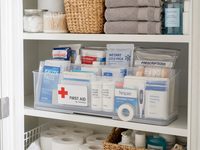 Stocked first-aid kit A well-organized base kit for home, personalized with your family's medications, allergies, and needs. See current price
 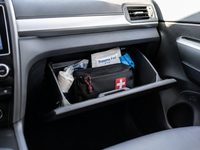 Compact go-bag / car first-aid kit A smaller kit for the car, go bag, truck bucket, or day trips away from the bathroom drawer. See current price
 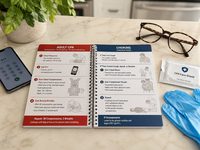 First-aid & CPR reference guide A reference guide helps, but it should sit next to real hands-on CPR and first-aid training. See current price
 See all medical & first-aid picks →
None of this is exotic, and that’s the point. Build a solid base, add what your family needs, learn how to use it, and keep it current. If you’re starting from zero, pair this with our 72-hour kit guide — or follow the whole calm path from Start Here.