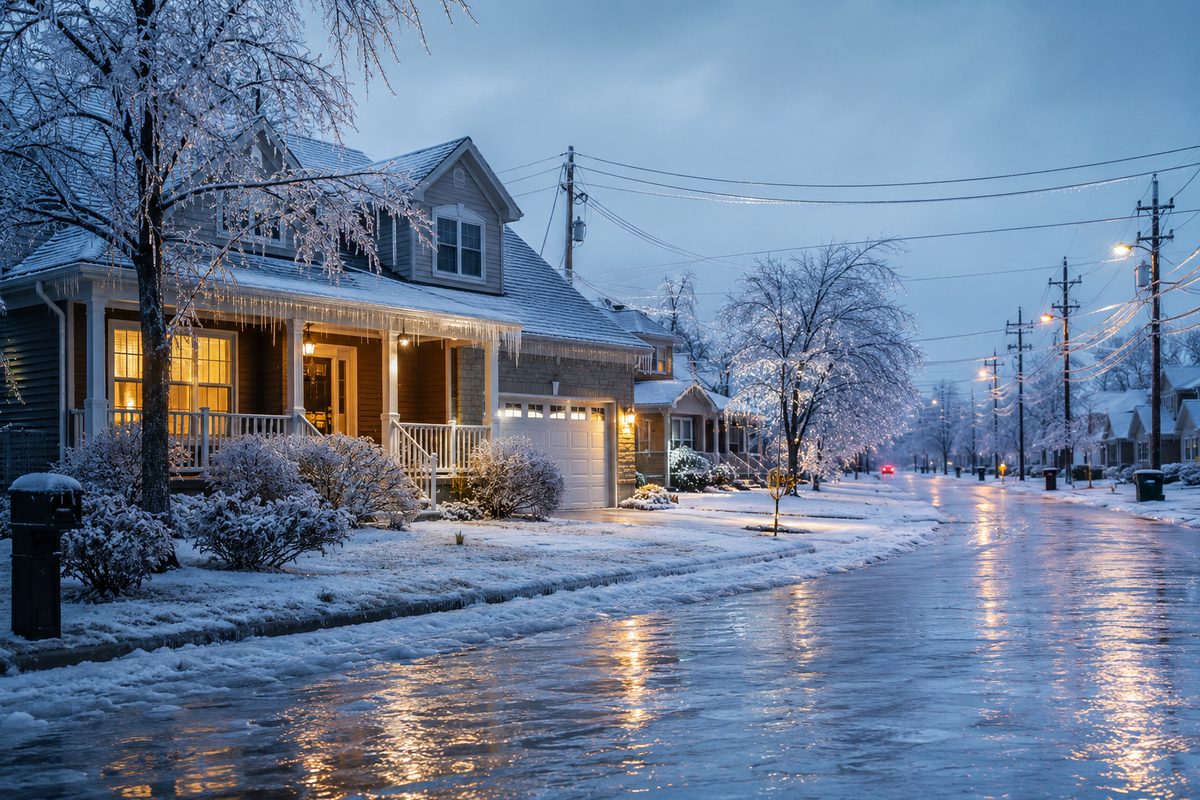
When the ice came, it came quietly. No howling wind, no dramatic warnings — just a slow, glassy coating that built up overnight on the power lines until they sagged and snapped. By morning the street was a skating rink, lights were out all around town, and homes were already getting cold. Our power flickered off and back on several times within a day — but across town, and much of the state, plenty of homes stayed dark and cold for the better part of a week.
I had a kit. I had read the checklists. And even our short outage — plus comparing notes afterward with friends and neighbors who went days without power — drove home the difference between owning preparedness gear and actually living on it. Here is what mattered, in the order it mattered.
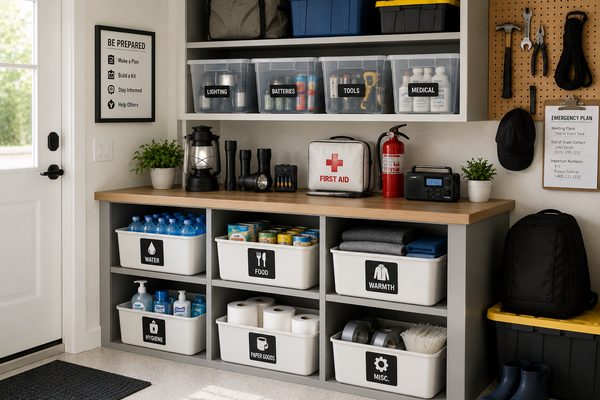
Heat, water, light, and information — in roughly that order — are what you reach for first in a winter outage. Fancy gadgets came in dead last. Boring, redundant basics are what carry people through.
Heat is the emergency
Texas houses are built to shed heat, not hold it. In the homes that lost their furnace for days, the indoor temperature dropped steadily until it leveled off in the low 50s. That is uncomfortable, not immediately dangerous — but it drives home that staying warm is a 24-hour job, not a one-night problem.
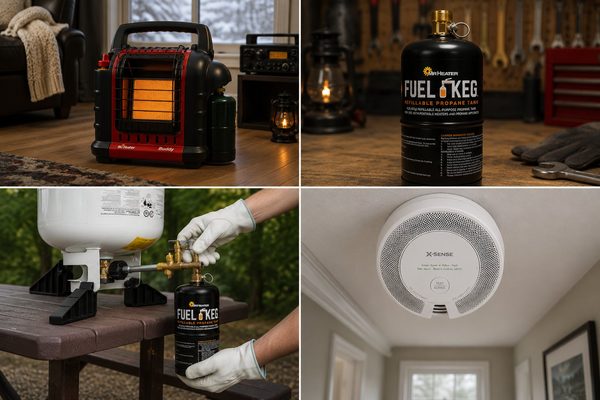
What worked for the people who rode it out: closing off the rooms you’re not using and living in one. Wool blankets and real cold-weather sleeping bags beat “a lot of regular blankets” by a wide margin. Layered clothing — base layer, fleece, hat indoors — makes the 50s genuinely fine. We also had a fireplace with a small supply of artificial logs, but the big add for next time is a safely-vented backup heat source and a working carbon-monoxide alarm to go with it.
Never run a generator, grill, or unvented fuel heater indoors or in an attached garage. Carbon monoxide is silent and kills people every winter doing exactly this.
You use more water than you think
A water notice went out across the area when water pressure became questionable. Even in a short outage, stored water moved from “nice to have” to “the thing I was glad I had” fast — and the households that went days burned through it quicker than they expected once you count drinking, cooking, brushing teeth, and flushing.
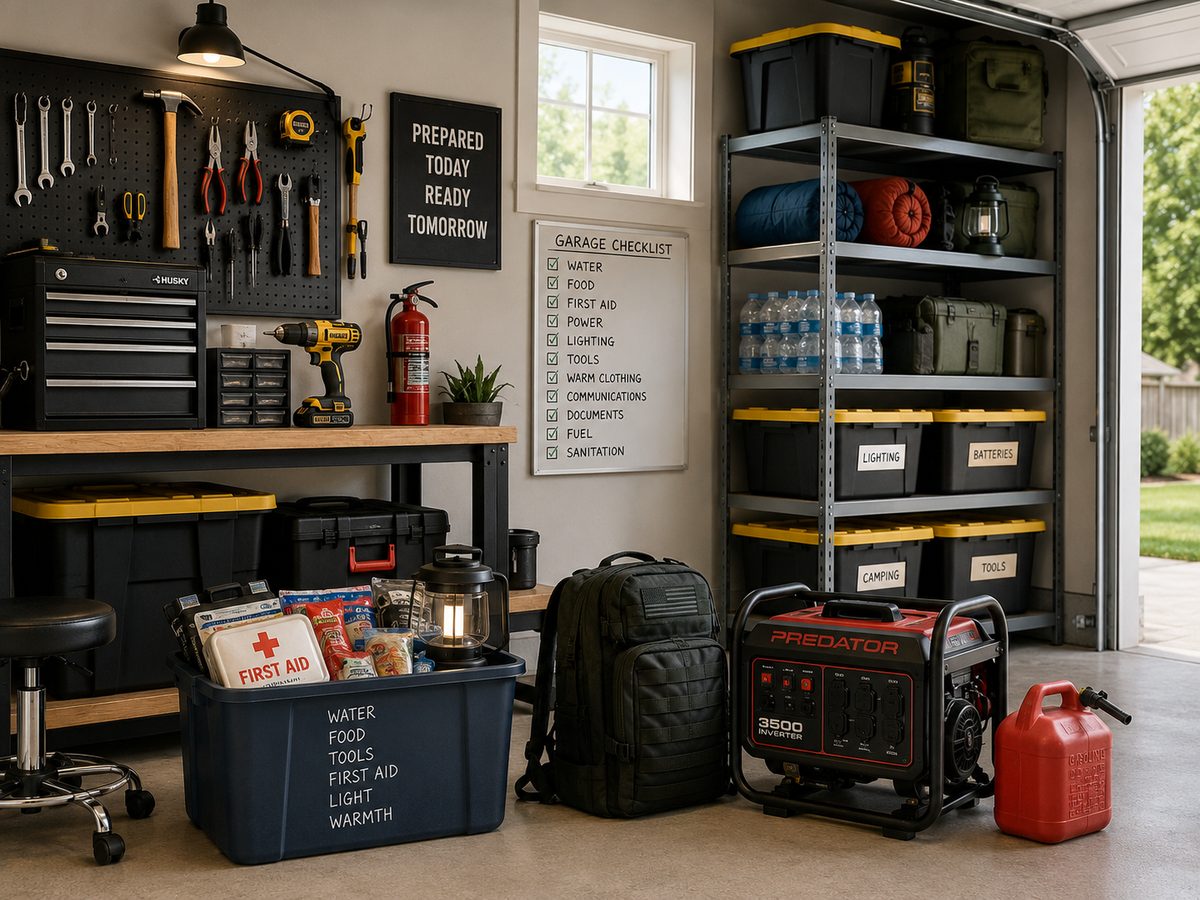
If you take one thing from this article, let it be this: store more water than feels reasonable. It is the cheapest, highest-payoff prep there is.
Light and information keep everyone calm
Headlamps beat handheld flashlights because they leave your hands free. Cheap, plentiful light — a lantern in the main room, a headlamp per person — changed the whole mood after dark. And being able to hear what was happening mattered more than I expected. A battery/crank radio was how a many people kept track of when crews expected power back. Phones worked for almost everyone, but the cellular towers could get patchy as their backup batteries drained.
The gear that actually earned its place
None of this is exotic. That’s the point.
Heads up: the gear links below are affiliate links. If you buy through them we may earn a small commission, at no extra cost to you. We only suggest gear we'd actually use. Full disclosure.
 NOAA weather alert radio No license needed — a reliable way to hear weather alerts when phones are unreliable. See current price
  Mid-size power station (1–2kWh) Indoor-safe battery backup for phones, lights, radios, internet gear, and limited fridge or medical-device support. See current price
 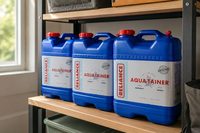 Stackable water containers Pre-fill and store water in containers that fit real closets, shelves, and corners. See current price
 What I changed afterward
I stopped chasing clever gadgets and doubled down on redundancy in the basics: more stored water, a second heat plan, a power station sized to actually run the fridge and devices, and a written list so I’m not making decisions by candlelight. Preparedness, it turns out, is mostly boring — and that’s exactly why it works.
If you’re starting from zero, begin with our 72-hour kit guide and a simple family communication plan. Quiet readiness, one calm step at a time.